




What Can Happen to You
RISKY BUSINESS

"My friend was using a chain saw on a bench. The saw went through the bench and cut his leg open. Now he can't dirt bike or do any of the awesome stuff he loves to do".
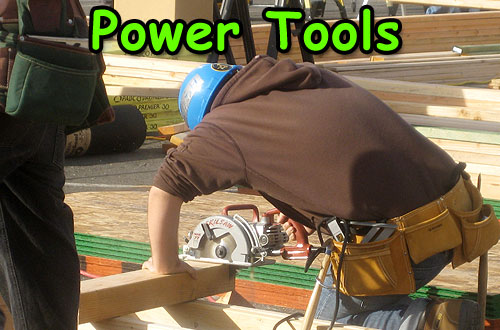
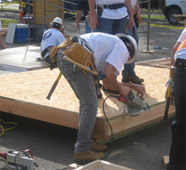
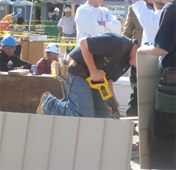
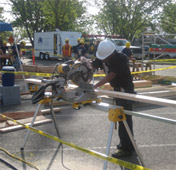
Just like tools you use at home (lawnmowers and power saws) using power tools in construction can be dangerous because they have electricity, blades, and fast-moving parts.
Injuries can include:
- Lost or cut fingers, hands, and other body parts
- Puncture wounds
- Eye injuries
- Electric shocks and burns
- Deaths
By getting trained and using tools correctly you have the opportunity to get the job done and protect yourself.

How to Keep Yourself Safe
You are responsible for following the training and safe work practices of your teachers and employers.
1. Get Trained On
- Using the right tool for the job
- Keeping your hands and fingers away from blades or moving parts
- Operating tools safely and correctly. If you don't know or you're not sure, ask your teacher or foreman before using the tool
2. Make Good Choices
- Always follow your training.
- Give your undivided attention to your tasks. When using tools do not rush, daydream or "horse around".
- Don't get caught. Tie back loose hair and remove jewelry, gloves, and loose clothing.
- Do not sit or lean on power tools or machines.
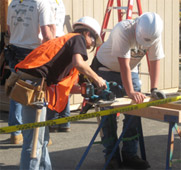
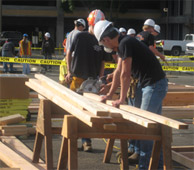
- Wear your Personal Protective Equipment (hard hats, safety glasses, and dust mask when sanding).
- Wear appropriate footwear.
- Immediately report anything you see or think is unsafe, to your teacher or foreman.
- If you suffer an injury, report it right away to your teacher or foreman.
 For more information on how to keep yourself safe, read Best Practices, Training Topics for Teachers and Employers.
February 2010